
 en - English language

Jak předcházet vzniku tepelných mostů?
30.10.2025 Ivan Landa
Představte si, že žijete v domě, kde je v zimě teplo a v létě příjemný chládek, bez průvanu, vlhkých rohů nebo nepříjemných plísní. To je ideál, který ale snadno naruší takzvané tepelné mosty. Jde o místa, kde z domu uniká teplo, aniž bychom si toho na první pohled všimli. V tomto článku si vysvětlíme, jak tepelné mosty vznikají, proč dokážou poškodit konstrukci domu, zhoršit kvalitu bydlení a zvýšit náklady na vytápění. A především si ukážeme, jak jim při stavbě nebo rekonstrukci účinně předcházet.
Co jsou tepelné mosty a proč jim věnovat pozornost?
Tepelný most je místo v konstrukci, kde dochází ke zvýšenému přenosu tepla ve srovnání s okolními částmi obálky budovy. Jednoduše řečeno teplo tudy uniká snadněji, než by mělo.
Tepelné mosty způsobují:
- Vyšší náklady na vytápění nebo chlazení
- Vznik vlhkosti a plísní
- Snížený tepelný komfort v interiéru
- Postupnou degradaci stavebních konstrukcí
Prevence tepelných mostů je zásadní pro úsporný, zdravý a dlouhodobě udržitelný dům.
Jak se tepelné mosty dělí?
Abychom tepelným mostům dokázali předcházet, je potřeba pochopit, kde a jak vznikají:
Materiálové a konstrukční mosty
Materiálové tepelné mosty jsou způsobeny průnikem materiálu s vysokou tepelnou vodivostí skrz izolaci (např. ocelový nosník v izolaci). Konstrukční tepelné mosty vznikají kvůli rozdílným tepelně izolačním vlastnostem použitých materiálů v konstrukci (např. silná vrstva malty mezi keramickými tvárnicemi).
Geometrické mosty
Tyto mosty vznikají tam, kde se mění tvar konstrukce. Například v rozích budov, kde se zvětšuje vnější plocha oproti vnitřní. Tato změna geometrie vede k lokálnímu nárůstu tepelných ztrát, protože tepelná izolace je zúžena nebo narušena.
Bodové a liniové mosty
Bodové a liniové mosty se vztahují k tepelným mostům v budovách, kde dochází k úniku tepla. Bodové mosty se objevují v malých místech, například při kotvení izolace nebo v místech hmoždinek. Liniové mosty zase vznikají podél celé délky konstrukce. Typicky napojení podlahy a obvodové zdi nebo přechod mezi střechou a stěnou.
I drobné tepelné mosty mohou mít velký vliv na celkovou energetickou bilanci domu.
Kde se tepelné mosty nejčastěji objevují?
Tepelné mosty se vyskytují hlavně tam, kde se setkávají různé konstrukce nebo kde není souvislá izolace.
Zaměřte se především na tato místa:
- Napojení stěn na stropy, podlahy a střechu
- Okolí oken, dveří, ostění a parapetů
- Balkony, lodžie a konzoly
- Prostupy instalací a kotvení
- Nedostatečně zateplená místa při rekonstrukci starších staveb
Právě v těchto detailech se často skrývá největší problém.
Jak předcházet vzniku tepelných mostů?
Promyšlený návrh a projektová příprava
Už ve fázi projektu promyslete každý detail:
- Zhodnoťte kritická místa, přechody, prostupy a napojení konstrukcí.
- Zvolte vhodnou tloušťku a typ izolace dle charakteru stavby.
- Navrhujte konstrukce tak, aby byla zachována souvislá vrstva tepelné izolace.
Správná volba materiálů
- Používejte materiály s nízkou tepelnou vodivostí.
- V místech, kde musí být konstrukční spojení, například kotvení balkonů, využijte speciální prvky, které přeruší přenos tepla.
- Dbejte na přesné napojení izolace bez mezer a spár.
Kvalitní provedení stavby
- Práce provádějte s důrazem na vzduchotěsnost a nepřerušenou izolační vrstvu.
- Pečlivě kontrolujte každý detail, zejména okolí oken, dveří, rohů a napojení.
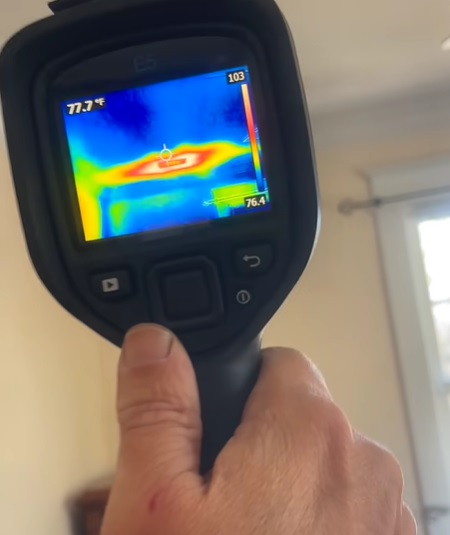
- Po dokončení stavby proveďte termovizní kontrolu, která odhalí případné úniky tepla.
Údržba a kontrola v provozu
- Sledujte výskyt chladných míst, vlhkosti nebo plísní.
- Při rekonstrukci starších objektů zhodnoťte současné řešení a v případě potřeby jej upravte.
Jak vyřešit kritická místa?
Okna a dveře
Zajistěte, aby byl rám správně zaizolovaný a napojení mezi konstrukcí a izolací bylo plynulé. Nezapomeňte izolovat i parapety.
Napojení stěny a podlahy
Dbejte na to, aby izolace základové části plynule navazovala na izolaci stěn.
Balkony a konzoly
Tyto prvky často představují slabé místo konstrukce. Použijte speciální nosné prvky, které přeruší přenos tepla mezi interiérem a exteriérem.
Kotvení fasádních systémů
Volte kvalitní kotevní prvky a systémy, které minimalizují vznik bodových mostů.
Proč se vyplatí tepelné mosty odstranit?
Odstraněním nebo omezením tepelných mostů získáte hned několik výhod:
- Nižší náklady na vytápění a chlazení
- Příjemnější vnitřní prostředí bez chladných koutů
- Menší riziko vlhkosti a plísní
- Delší životnost konstrukce
- Lepší energetickou bilanci budovy
Předcházet tepelným mostům znamená přemýšlet o stavbě jako o celku, od projektu přes výběr materiálů až po samotnou realizaci. Správně navržená a provedená izolace vám dokáže ušetřit energii, prodlouží životnost stavby a zvýší komfort vašeho bydlení.
Pokud stavíte nebo rekonstruujete a chcete mít jistotu, že vaše konstrukce bude bez tepelných mostů, obraťte se na nás. Rádi vám pomůžeme vybrat vhodné řešení, poradíme s detaily a zajistíme, že vaše stavba bude úsporná a zdravá.